
France
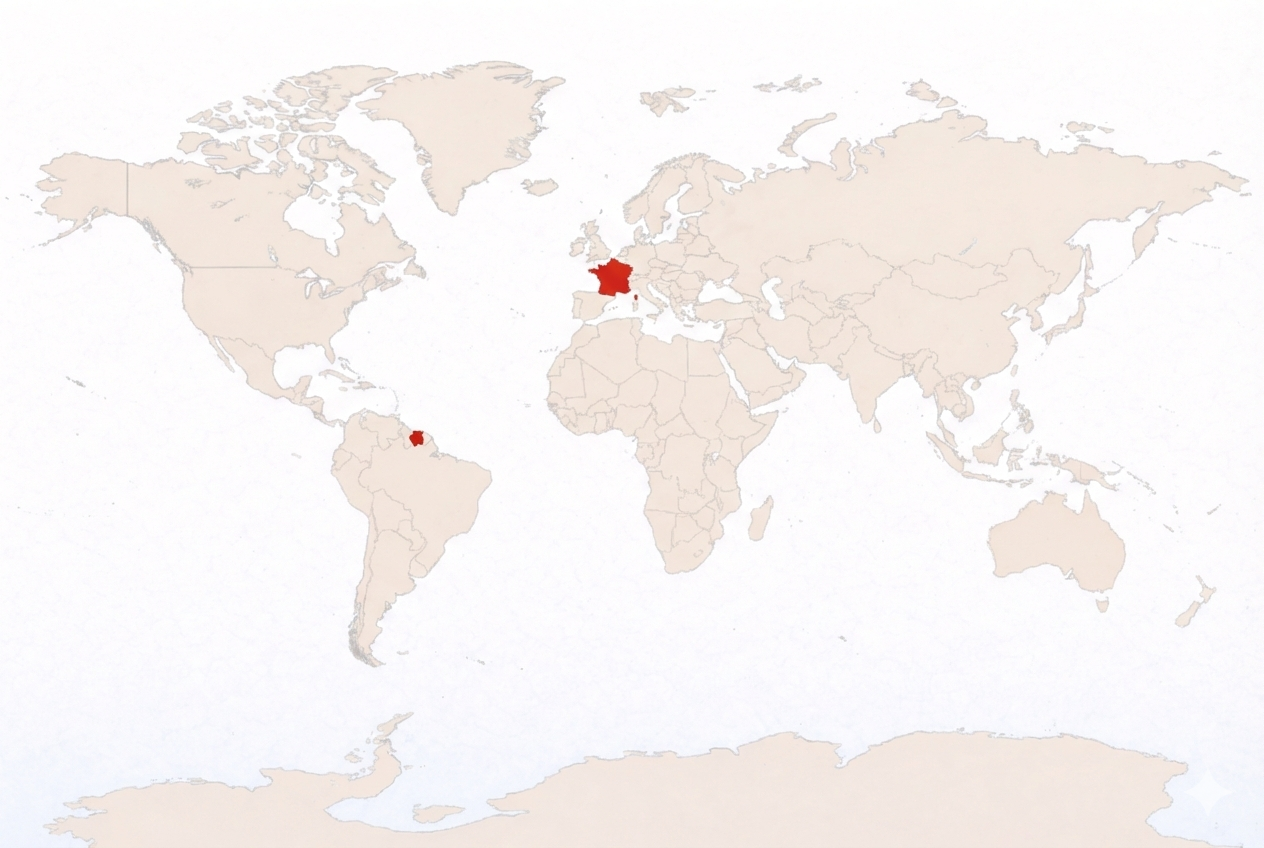
France is a nation forged in monarchy and revolution: from Roman Gaul and medieval kingdom to centralized early-modern state, revolutionary upheaval, empire, republic, occupation, and decolonization, each transformation reshaped its institutions while amplifying its export of ideas about citizenship, secularism, law, and culture, leaving a republic that continues to anchor Europe while negotiating identity, authority, and the meaning of the nation itself.
Capital
Paris
Population
65 Million
Currency
EUR
Language
French
Modern Snapshot
Strategic industries
Aerospace, defense, luxury goods, nuclear energy, agriculture, pharmaceuticals
Demographic trend
Relatively stable population with significant immigration; pension reform and labor market tensions define domestic politics
Security posture
Nuclear-armed; UN Security Council permanent member; sole EU nuclear power with global force projection capability
Why France matters now
Strategic reasons this country is essential reading today.
France remains a core political and economic engine of the European Union—central to debates on sovereignty, industrial policy, and Europe’s strategic autonomy.
Its model of secular republicanism (laïcité) and civic identity sits at the center of current global arguments about pluralism, religion in public life, and immigration.
France is a major diplomatic and military actor (UN Security Council permanent member) with enduring influence in Africa, the Middle East, and global climate policy.
The French state’s tradition of central planning, regulation, and cultural protection shapes contemporary fights over markets vs. the public sector—from pensions to tech policy.
Regional & Global Relationships
Who shapes France — and who France shapes
Timeline by period
Key moments mapped to Strabo's global eras.
Gaul, Rome, and the Franks
52 BCE – 987 CECapetians and the Making of the Kingdom
987 – 1328Religion, Renaissance, and State Power
1515 – 1715Revolution and the Napoleonic Earthquake
1789 – 1815Republics, World Wars, Decolonization, and Europe
1870 – PresentStart Here
Pick a window that fits your schedule. You can always go deeper later.
This reading path is coming soon. For now, check out the shorter starter picks.


Go deeper
When you want depth, follow a theme.


Some book links may earn Strabo a small commission at no extra cost to you.