Book
The Shortest History of Germany
James Hawes
A sharp, fast-moving overview explaining how geography, fragmentation, and trauma shaped modern Germany.
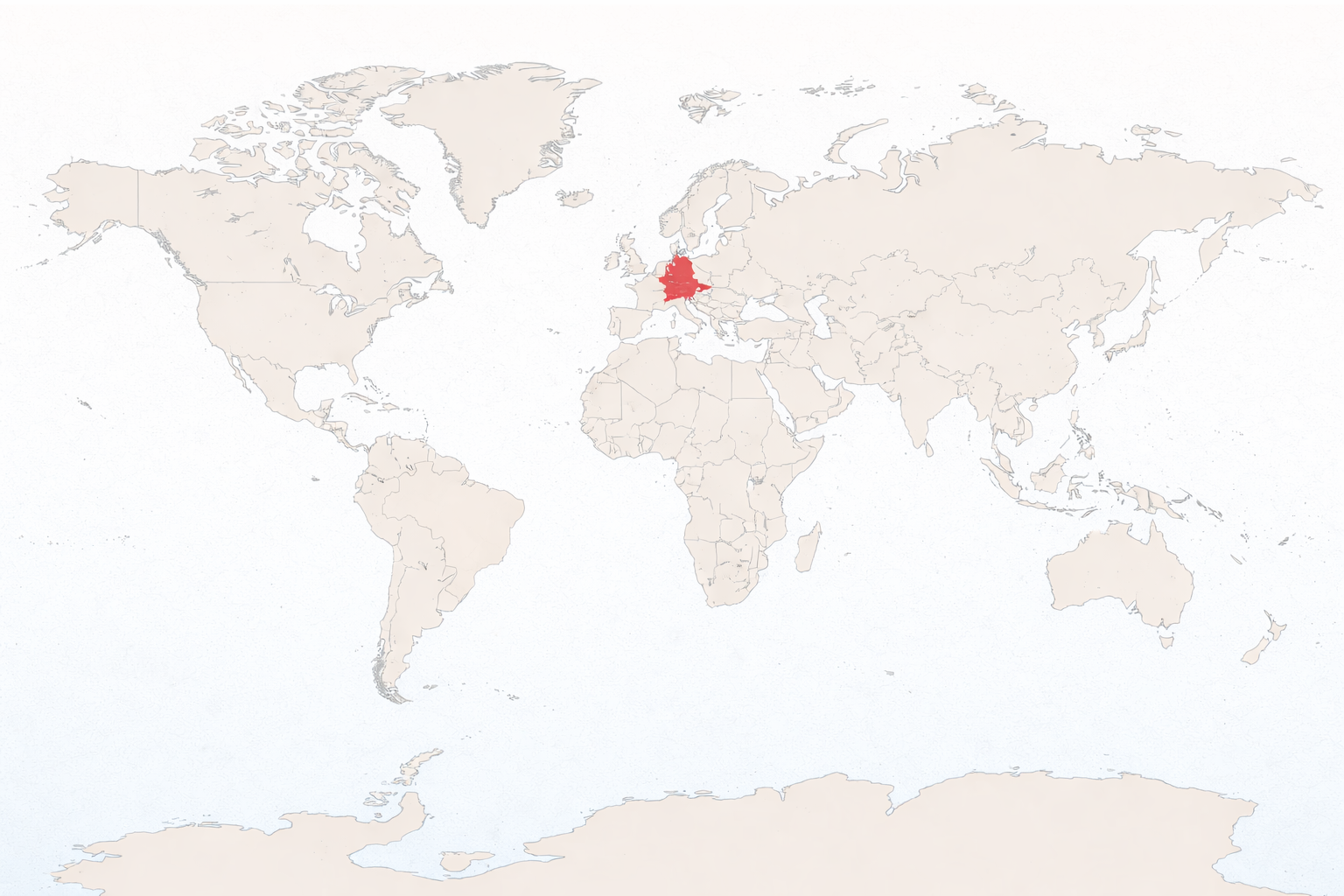
Germany is a nation forged in fragmentation and reckoning: from a patchwork of principalities that generated immense cultural and industrial power to late unification, imperial ambition, total war, Nazism, division, and reunification, each rupture reshaped the state and forced a deliberate confrontation with its past, leaving a federal democracy that anchors Europe’s economy while continually negotiating memory, responsibility, and leadership.
Book
James Hawes
A sharp, fast-moving overview explaining how geography, fragmentation, and trauma shaped modern Germany.
Book
Anna Funder
Oral histories revealing how surveillance and fear shaped everyday life in East Germany.
Book
Rory MacLean
A vivid biography of Berlin as a mirror of German ambition, collapse, division, and reinvention.
Strategic reasons this country is essential reading today.
Germany is the central economic and political anchor of the European Union, shaping fiscal, monetary, and regulatory outcomes.
Its energy transition—accelerated by the Ukraine war—offers a live experiment in decarbonization, industrial policy, and energy security.
Germany’s export-led model faces pressure from China competition, supply-chain realignment, and technological change.
Debates over migration, identity, and memory continue to influence German and European politics.
Regional & Global Relationships
Track your reading, unlock timelines, and build your journey.
Pick a window that fits your schedule. You can always go deeper later.

Some book links may earn Strabo a small commission at no extra cost to you.
Ask anything about your reading progress, or where to start.
Free-form chat is a Strabo Plus feature.