
Germany
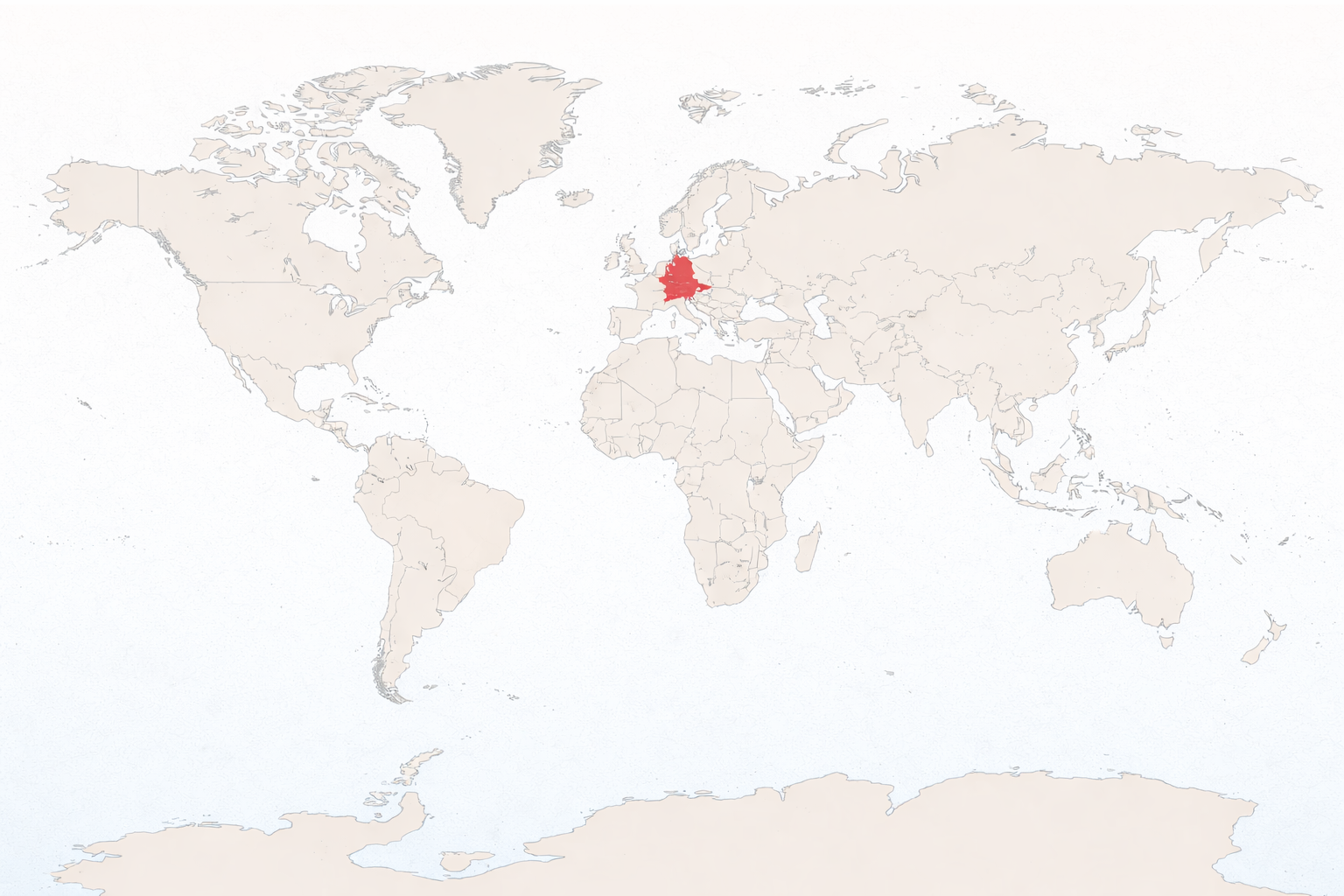
Germany is a nation forged in fragmentation and reckoning: from a patchwork of principalities that generated immense cultural and industrial power to late unification, imperial ambition, total war, Nazism, division, and reunification, each rupture reshaped the state and forced a deliberate confrontation with its past, leaving a federal democracy that anchors Europe’s economy while continually negotiating memory, responsibility, and leadership.
Capital
Berlin
Population
84 Million
Currency
EUR
Language
German
Modern Snapshot
Strategic industries
Autos, industrial machinery, chemicals, precision manufacturing, energy transition technology
Demographic trend
Aging, slowly shrinking native population; significant immigration offset by skilled-worker shortfalls
Security posture
Post-pacifist rearmament underway; NATO's central European anchor; Ukraine-driven defense spending surge
Books for era
Post-classical-worlds
No books tagged to this era yet.
Why Germany matters now
Strategic reasons this country is essential reading today.
Germany is the central economic and political anchor of the European Union, shaping fiscal, monetary, and regulatory outcomes.
Its energy transition—accelerated by the Ukraine war—offers a live experiment in decarbonization, industrial policy, and energy security.
Germany’s export-led model faces pressure from China competition, supply-chain realignment, and technological change.
Debates over migration, identity, and memory continue to influence German and European politics.
Regional & Global Relationships
Who shapes Germany — and who Germany shapes
Timeline by period
Key moments mapped to Strabo's global eras.
Germanic Worlds & the Holy Roman Empire
c. 500 – 1648Prussia, Nationalism & Unification
1648 – 1914Weimar Crisis & Nazi Dictatorship
1918 – 1945Division, Cold War & Memory
1945 – 1989Reunification & the European Power
1989 – PresentStart Here
Pick a window that fits your schedule. You can always go deeper later.
This reading path is coming soon. For now, check out the shorter starter picks.


Go deeper
When you want depth, follow a theme.





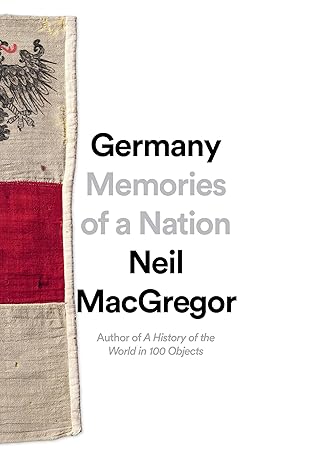


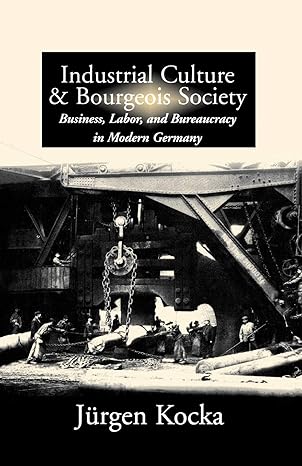



Some book links may earn Strabo a small commission at no extra cost to you.