India
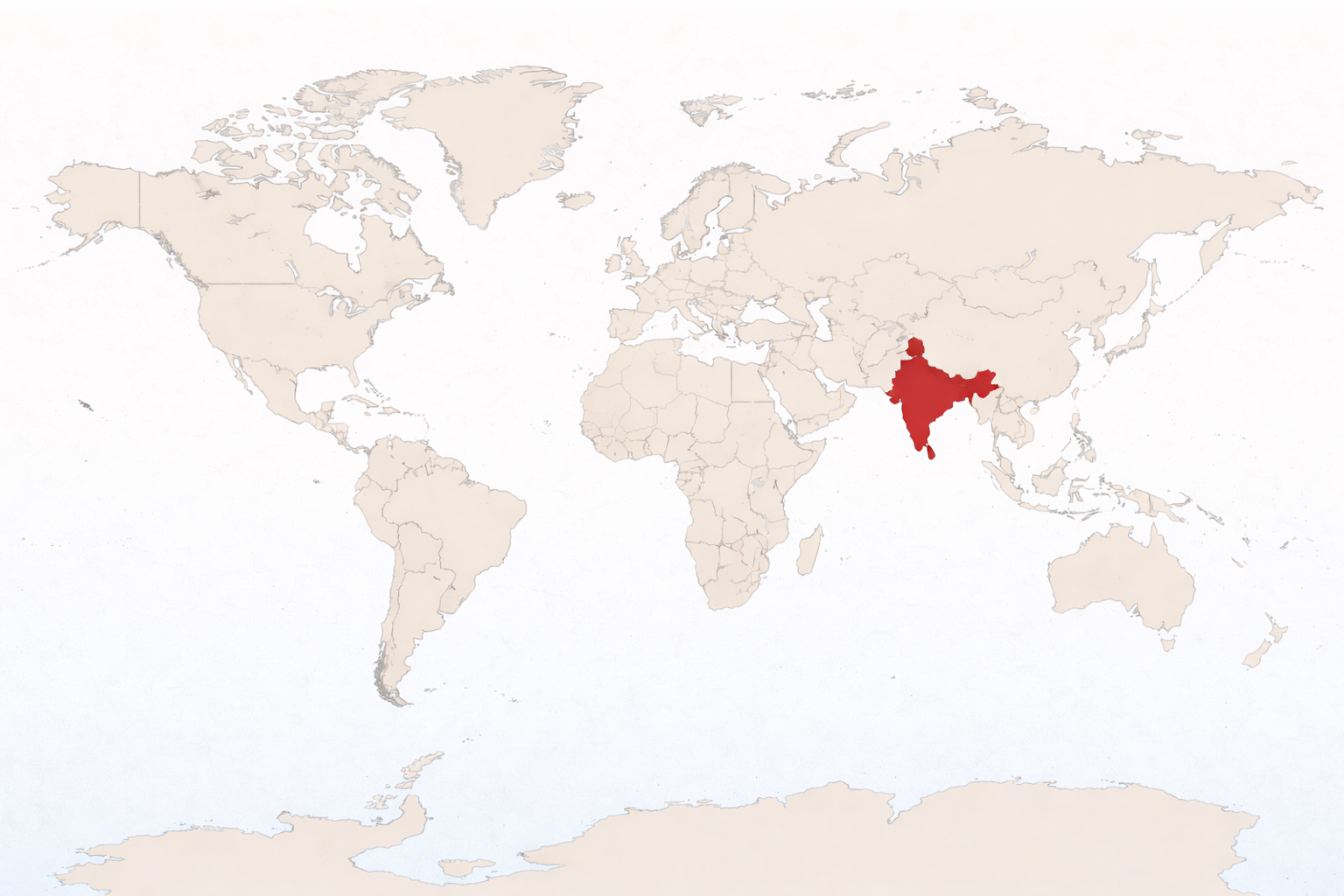
India is a civilization forged in continuity and reinvention: from ancient religions and imperial polities to Islamic sultanates, Mughal rule, and British empire, each layer reshaped but never erased its deep cultural foundations, and independence in 1947 launched a vast democratic experiment that continues to negotiate diversity, development, faith, and power on a subcontinental scale.
Capital
New Delhi
Population
1.43 Billion
Currency
INR
Language
Hindi
Modern Snapshot
Strategic industries
Technology and IT services, pharmaceuticals, space, defense, textiles, agriculture
Demographic trend
World's most populous country; large, young workforce—both a demographic dividend and a governance challenge
Security posture
Nuclear-armed; non-aligned tradition preserved; Quad member; active border tensions with China and Pakistan
Why India matters now
Strategic reasons this country is essential reading today.
India is the world’s largest democracy and soon-to-be most populous country, shaping global politics, labor markets, and technology.
Its civilizational traditions—Hinduism, Buddhism, and South Asian philosophy—continue to influence global spirituality and ethics.
India’s colonial experience remains central to understanding modern nationalism, identity, and post-imperial politics worldwide.
As a rising economic and geopolitical power, India plays a pivotal role between the West, China, and the Global South.
Regional & Global Relationships
Who shapes India — and who India shapes
Timeline by period
Key moments mapped to Strabo's global eras.
Ancient India and Civilizational Foundations
2500 BCE – 600 CESultanates, Mughals, and a Connected World
1200 – 1700
Taj Mahal: Passion and Genius at the Heart of the Moghul Empire
Diana Preston & Michael Preston
Company Rule and the British Raj
1757 – 1914Independence and Partition
1915 – 1947The World’s Largest Democracy
1947 – PresentStart Here
Pick a window that fits your schedule. You can always go deeper later.
This reading path is coming soon. For now, check out the shorter starter picks.


Go deeper
When you want depth, follow a theme.


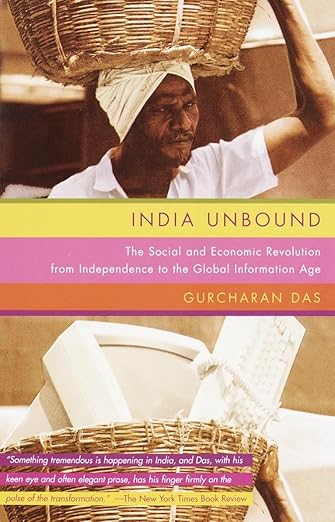







Some book links may earn Strabo a small commission at no extra cost to you.