Book
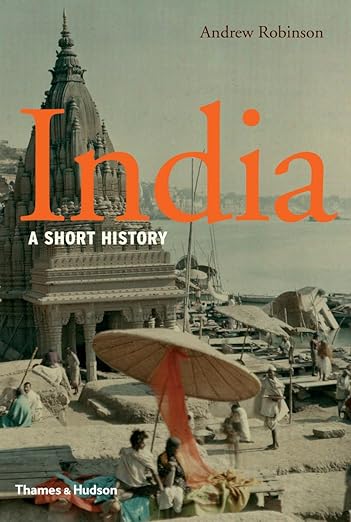
India: A Short History
Andrew Robinson
A clear, fast-moving narrative that introduces India’s long arc—from ancient civilizations to the modern republic—without overwhelming detail.
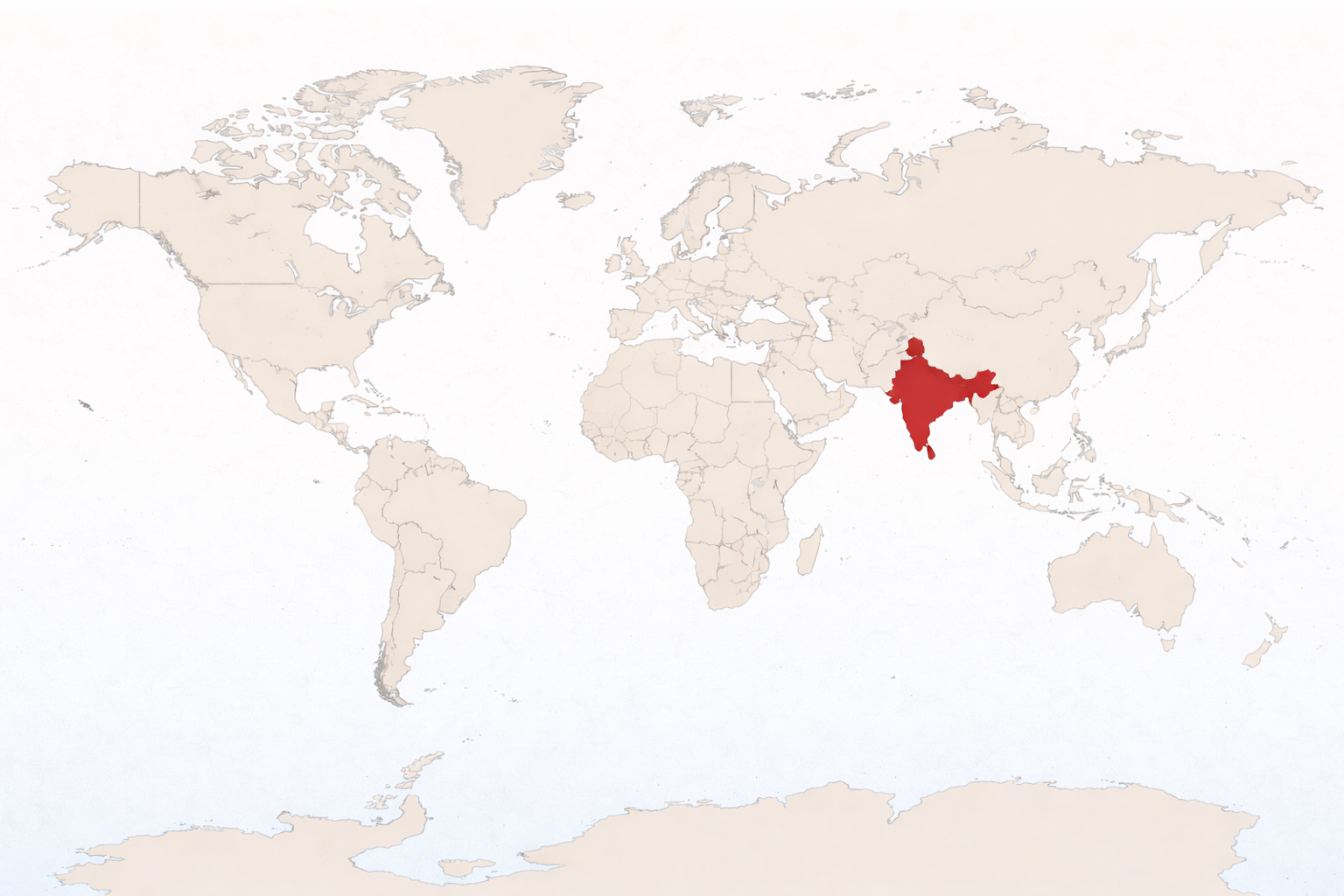
India is a civilization forged in continuity and reinvention: from ancient religions and imperial polities to Islamic sultanates, Mughal rule, and British empire, each layer reshaped but never erased its deep cultural foundations, and independence in 1947 launched a vast democratic experiment that continues to negotiate diversity, development, faith, and power on a subcontinental scale.
Book
Andrew Robinson
A clear, fast-moving narrative that introduces India’s long arc—from ancient civilizations to the modern republic—without overwhelming detail.
Book
Amartya Sen
A sweeping essay collection that explains India through debate, pluralism, and intellectual openness—history, democracy, religion, and reason woven together.
Book
John Keay
The most widely read single-volume history of India—narrative-driven, richly anecdotal, and ideal for readers encountering the subcontinent for the first time.
Strategic reasons this country is essential reading today.
India is the world’s largest democracy and soon-to-be most populous country, shaping global politics, labor markets, and technology.
Its civilizational traditions—Hinduism, Buddhism, and South Asian philosophy—continue to influence global spirituality and ethics.
India’s colonial experience remains central to understanding modern nationalism, identity, and post-imperial politics worldwide.
As a rising economic and geopolitical power, India plays a pivotal role between the West, China, and the Global South.
Regional & Global Relationships
Track your reading, unlock timelines, and build your journey.
Pick a window that fits your schedule. You can always go deeper later.
Some book links may earn Strabo a small commission at no extra cost to you.
Ask anything about your reading progress, or where to start.
Free-form chat is a Strabo Plus feature.