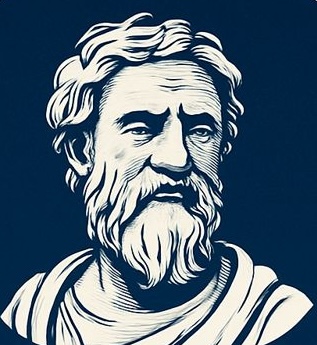
Classical Empires & Thought
City-states and empires, philosophy and law, and the political ideas that still organize life today.
500 BCE → 500 CE
In one minute..
The mental model for this era
is where power gets formal. States build armies, taxes, roads, and rules; elites argue about virtue, justice, citizenship, and the good life. The classical world isn’t just “ancient history.” It’s the origin of many political languages we still speak: republic, empire, law, rights, and reason.
Why this era matters
- Many durable institutions become legible here: citizenship, courts, codified law, bureaucracies, coin economies, and imperial logistics.
- Big ideas about ethics, politics, and knowledge take written form—creating traditions people inherit, argue with, and revive for centuries.
What to watch for
- How empires actually work: roads, taxes, garrisons, governors, and paperwork
- Who counts as a citizen (and who doesn’t): gender, slavery, status, and outsiders
- How ideas travel: schools, texts, translations, and patronage
- What holds legitimacy together: religion, ritual, law, and performance
Key transitions
Cities → Empires
local politics scales into administrative states with provinces and taxation
Custom → Law
rules become written, portable, and enforceable beyond kin groups
Myth → Philosophy
reasoned argument and systematic inquiry expand public debate
Tribute → Money Economies
coinage, trade networks, and contracts widen markets and inequality
Where this era is most active
Europe
Region
Greek city-states and Rome define a vocabulary of politics, law, citizenship, and empire that later Europe repeatedly revives.
South & East Asia
Region
If your Region slugs differ, adjust these notes accordingly.